Why Paint Peels, Bubbles, Wrinkles or Looks Patchy
Fresh paint should leave a surface looking clean, smooth and consistent. But occasionally, problems start appearing while the paint is drying — or even weeks or months after the job has been completed.
Peeling paint, bubbles, wrinkles and patches with different levels of sheen can all be signs that something hasn’t gone quite right.
While it can be tempting to simply grab a brush and paint over the problem, that often only hides it temporarily. Understanding why the paint has failed is the first step towards achieving a finish that lasts.
At Rob’s Painting & Decorating, preparation is a major part of every painting job. After more than 25 years in the industry, Rob knows that what happens before the final coat goes on can be just as important as the paint itself.
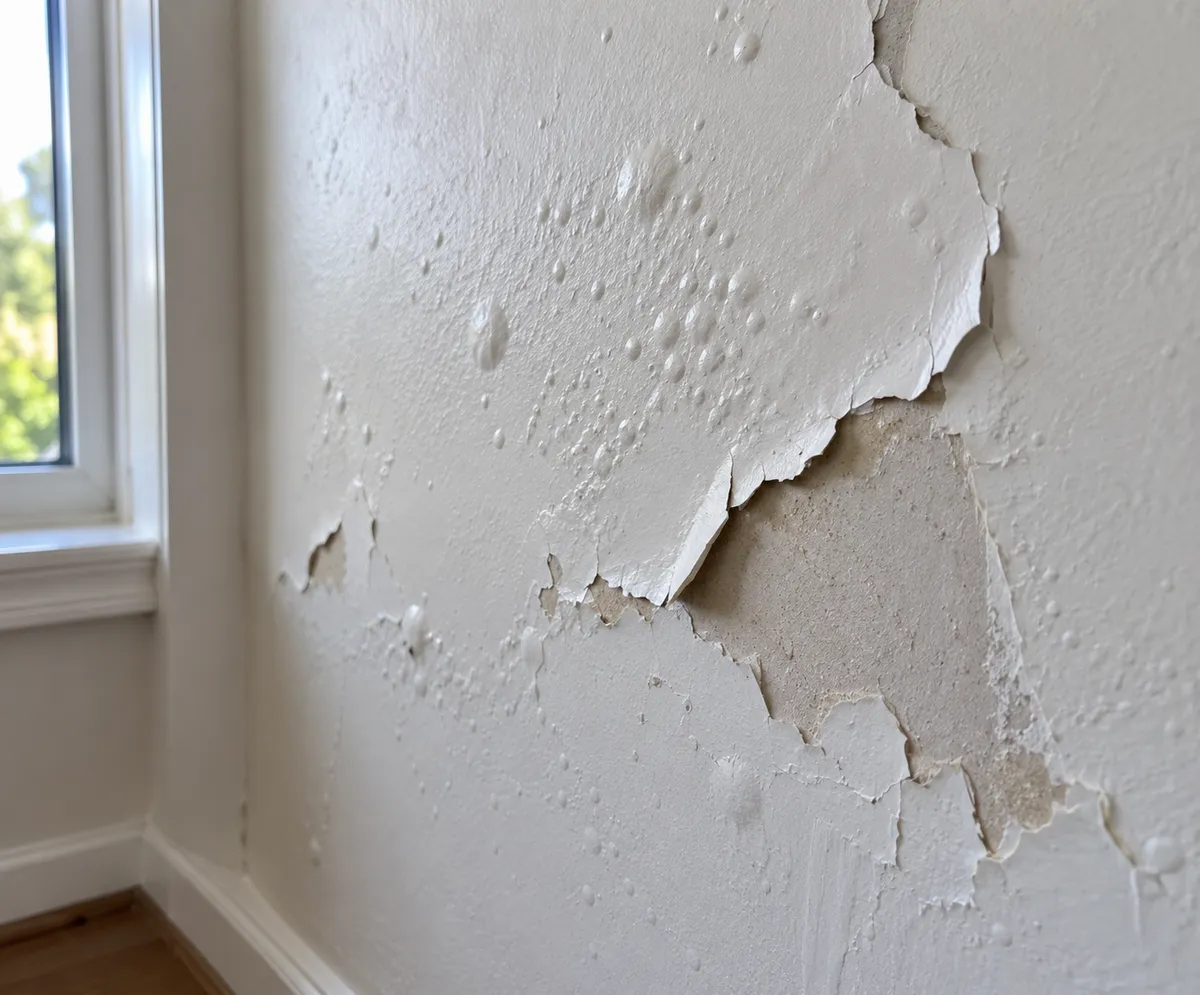
Why Does Paint Peel?
Peeling occurs when the paint loses adhesion with the surface underneath. Instead of remaining firmly attached, sections begin lifting away and eventually flake or peel off.
There can be several reasons for this.
One of the most common is poor surface preparation. Paint needs a clean, stable surface to adhere to properly. Painting over dust, grease, loose paint or other contamination can prevent the new coating from bonding correctly.
Moisture can also contribute to peeling. If a wall or ceiling is damp when it is painted — or moisture is entering the surface from somewhere else — the coating may eventually begin to lift.
Another potential problem is applying a new paint system over an existing coating without the correct preparation or primer.
The important thing is not to assume another coat of paint will fix peeling. If the underlying surface is unstable, the new paint may eventually come away with it.
Why Does Paint Bubble or Blister?
Paint bubbles or blisters look like small raised areas underneath the painted surface.
Again, moisture can be a major culprit.
Painting a damp surface, painting in unsuitable humid conditions or having moisture entering from behind the painted area can interfere with adhesion.
That’s why bubbling paint shouldn’t automatically be treated as a cosmetic problem.
If the same area continues bubbling after repainting, there may be an underlying moisture issue that needs to be investigated first.
It is much better to identify and address the cause than continually sand and repaint the same patch.
What Causes Paint to Wrinkle or Shrivel?
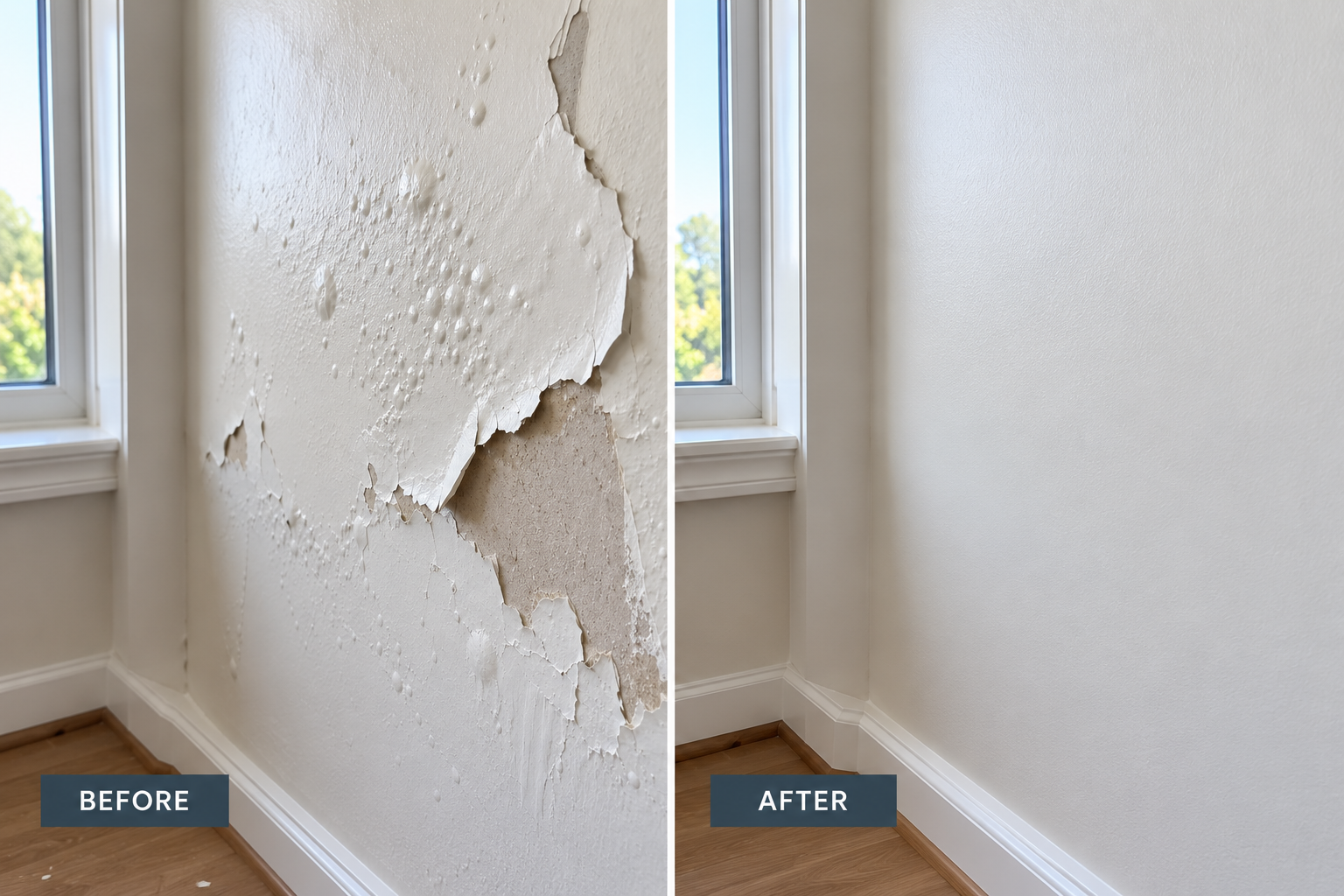
Wrinkled paint can look exactly as the name suggests — the surface develops creases or a shrivelled texture rather than drying flat and smooth.
One possible cause is applying paint too thickly.
The surface of a heavy coat can begin drying while the paint underneath remains soft. As the different layers dry at different rates, the surface can wrinkle.
Applying another coat before the previous coat has dried sufficiently can create similar problems.
Temperature and humidity can also affect drying.
Very hot conditions may cause paint to dry too quickly, while colder temperatures can considerably slow the drying process. High humidity can introduce another challenge.
This is why following the paint manufacturer’s recommended application and drying conditions is important rather than simply assuming the paint is ready for another coat.
What Is Paint Flashing?
Paint flashing is a slightly different problem.
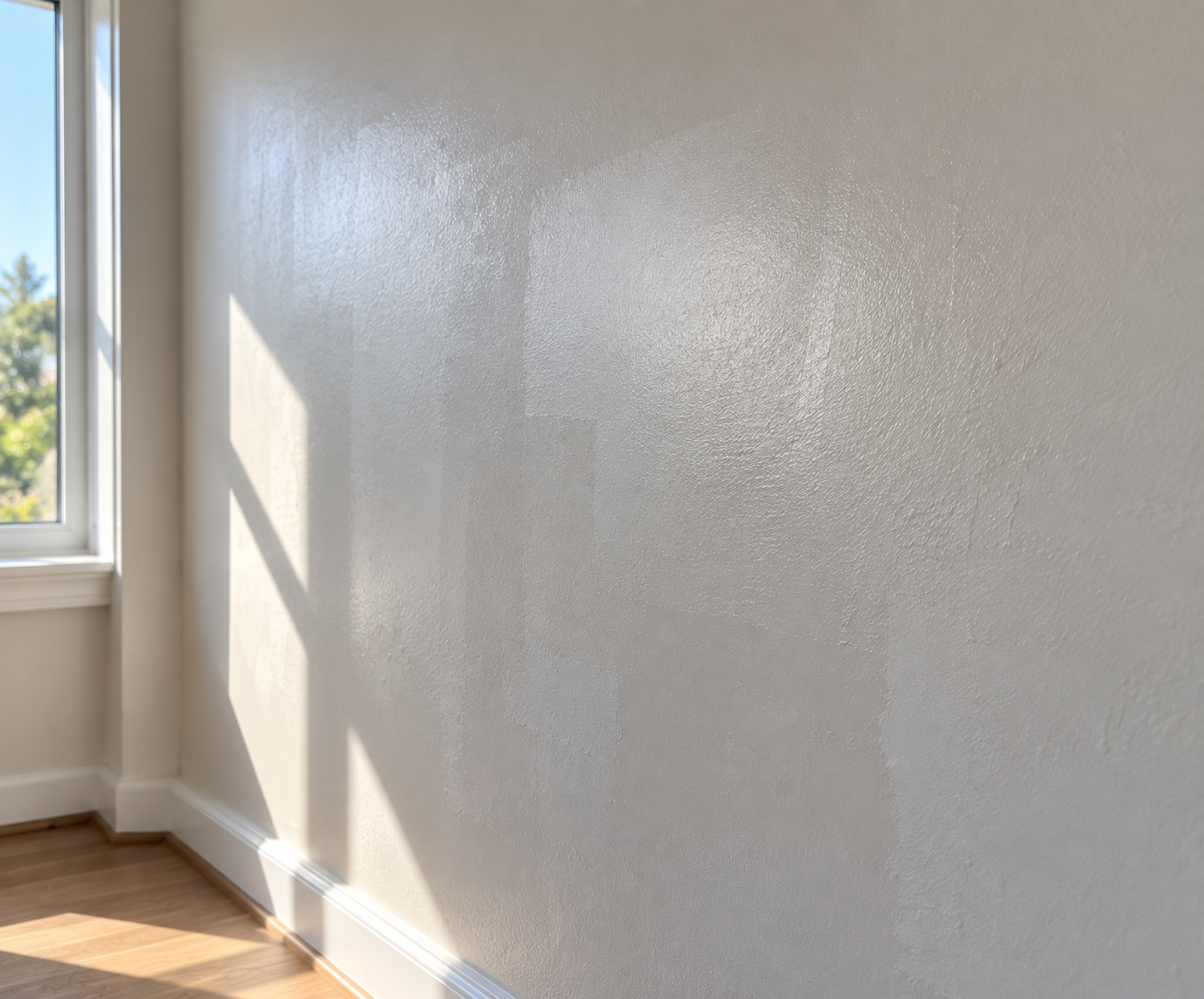
Instead of peeling or physically changing texture, the wall can appear patchy or uneven when light hits it. Some sections might appear shinier or duller than the surrounding paint.
You might notice it most when sunlight enters the room from the side.
Different parts of a wall can absorb paint differently, particularly where repairs have been made. For example, filled and sanded areas may absorb paint differently from the surrounding previously painted surface.
Using an appropriate primer where required helps create a more consistent surface before the finish coats are applied.
Consistent application also matters.
Paint should be properly mixed and applied methodically so the colour and sheen remain as uniform as possible across the surface.
Preparation Comes First
Many paint problems have something in common: the condition of the surface underneath the paint.
If existing paint is peeling or flaking, simply applying another coat over it doesn't create a stable foundation.
Loose material needs to be removed. Depending on the surface and the problem, preparation might then include cleaning, filling, sanding and priming before painting begins.
Preparation isn't necessarily the most exciting part of painting — but it can make an enormous difference to the finished result.
It’s one reason professional painters can sometimes appear to spend a surprising amount of time preparing a room before much actual painting happens.
Temperature and Humidity Matter Too
Paint manufacturers provide recommended application conditions for a reason.
Extremely hot weather can cause paint to dry too quickly. Cold conditions can slow drying, while excessive humidity may also affect how paint dries and adheres.
For exterior painting in particular, the weather needs to be considered before the job starts.
Indoors, ventilation, temperature and humidity can still influence drying time.
If a second coat is required, allowing adequate drying time between coats is important. Rushing because the surface looks dry doesn't necessarily mean the coating underneath is ready.
When Is It Time to Call a Professional Painter?
A small damaged area can sometimes be straightforward to repair, particularly when the cause is obvious.
But if paint continues peeling, bubbling or blistering after being repaired, there may be more happening underneath the surface.
Large areas of failed paint, significant surface damage, recurring moisture problems or extensive preparation can also turn what looked like a quick weekend job into something much bigger.
The goal shouldn't simply be to make the problem disappear for a few weeks. The surface needs to be properly prepared so the new paint has the best possible foundation.
At Rob’s Painting & Decorating, Rob brings more than 25 years of painting experience to residential and commercial projects throughout Wollongong, the Illawarra and surrounding areas.
From identifying areas that need additional preparation through to achieving the final smooth, consistent finish, the attention given to those early stages can make all the difference.
Because at the end of the day:
We’re Not Happy Until You’re Happy.
