When Do You Need Primer Before Painting?
Primer is one of those painting products people often know they are supposed to use, but do not always know when it is actually necessary.
Sometimes a surface can be repainted successfully without a separate primer. In other situations, skipping primer can affect adhesion, coverage and the final appearance.
The key is understanding what is underneath the new paint.
What Does Primer Actually Do?
Primer is designed to prepare the surface for the finishing coats.
Depending on the product and surface, it may help improve adhesion, seal porous material, create a more even base or help prevent stains from showing through.
It is not simply an extra coat of white paint.
Different primers are made for different jobs, which is why using the right product matters.
New Plaster and Plasterboard
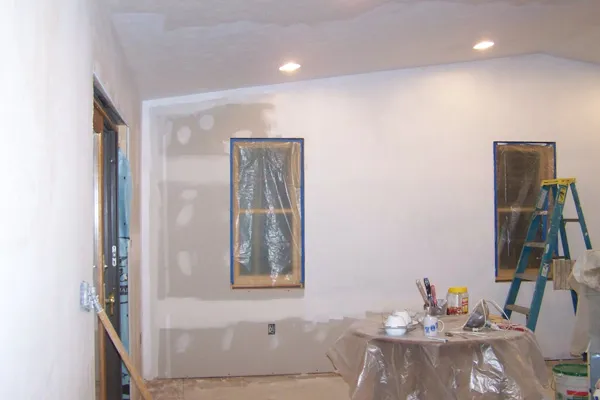
Fresh plaster, plasterboard and other new surfaces can absorb paint differently from previously painted walls.
If the surface absorbs the coating unevenly, the finished wall may look patchy or require additional coats.
A suitable primer or sealer helps prepare the surface so the finishing paint is applied over a more consistent base.
This can improve both appearance and coverage.
Bare Timber
Bare timber generally needs proper preparation before finishing coats are applied.
Timber can be porous, and some types can contain natural substances that may affect the paint system.
A suitable primer helps prepare the timber and provides a better surface for the topcoat.
This is especially important outside, where painted timber is exposed to sun, rain and changing temperatures.
Window frames, doors, fascia boards and exterior trims are common areas where correct priming matters.
Patched and Repaired Areas
Even when the rest of the wall has already been painted, freshly repaired sections can behave differently.
Filler, plaster and exposed substrate may absorb paint more readily than the surrounding surface.
If you paint straight over the repair, it may remain visible because the finish looks slightly different.
Priming repaired areas can help create a more even surface before the final coats.
Covering Stains
Some stains can bleed through ordinary wall paint.
Water marks, smoke damage and other discolouration may need a specialised stain-blocking primer before repainting.
The cause of the stain should also be investigated.
For example, if a water mark has been caused by an active leak, fixing the leak is more important than simply covering the stain.
Once the underlying issue has been resolved and the surface is dry, the correct primer can help prevent the stain returning through the new paint.
Dramatic Colour Changes
Changing from a very dark colour to a much lighter one can sometimes benefit from a suitable primer or undercoat.
Without it, the previous colour may influence the appearance of the new coating and additional finishing coats may be needed.
The same principle can apply when moving between strong or intense colours.
A prepared, consistent base can make it easier to achieve an even final colour.
Glossy or Difficult Surfaces
Some previously painted surfaces are more difficult for new paint to adhere to.
Glossy surfaces, for example, often require preparation before repainting.
This may involve cleaning, sanding and, depending on the surface and paint system, using an appropriate primer.
Painting directly over a smooth glossy finish without preparing it properly can increase the chance of poor adhesion.
Exterior Surfaces
Primer can be particularly important outside because exterior coatings have to deal with much harsher conditions than interior paint.
Bare patches created when old paint is scraped away may need priming.
Exposed timber, repaired sections and certain masonry surfaces may also require an appropriate primer before finishing coats.
Exterior preparation should always take into account the material being painted and the condition of the existing coating.
Metal and Other Special Surfaces
Not every primer is designed for walls or timber.
Bare metal and some other specialised surfaces may need a primer designed specifically for that material. The wrong primer can be just as unhelpful as skipping primer altogether.
If you are painting a surface that is unusual, previously coated with an unknown product or prone to rust or staining, check the manufacturer’s recommendations before choosing the paint system.
When Might Primer Not Be Necessary?
A sound, previously painted interior wall may not always need a separate primer.
If the existing coating is firmly attached, the surface is clean and you are repainting with a compatible product and similar colour, normal preparation and finishing coats may be sufficient.
However, this depends on the surface.
There is no single rule that applies to every painting job.
Primer Does Not Replace Preparation
It is important to remember that primer cannot fix a poorly prepared surface.
Applying primer over dust, grease, moisture or loose paint will not magically make those problems disappear.
The surface still needs to be cleaned, repaired and made sound first.
Think of primer as part of the preparation process rather than a substitute for it.
Follow the Paint System
Paint manufacturers design primers, undercoats and finishing products to work together.
Following the recommendations for the particular product and surface is generally the safest approach.
The label will often explain suitable surfaces, drying time and whether a primer or undercoat is recommended.
The Right Base Makes a Difference
A successful paint job is not only about what you see on the surface.
What sits underneath the finishing coat can make a big difference to how the paint looks and how well it performs.
Knowing when primer is needed can help create better adhesion, more even coverage and a cleaner finished result.
When in doubt, it is worth assessing the existing surface properly before choosing the paint system.
