How to Keep High-Traffic Painted Areas Looking Fresh
Some parts of the home simply work harder than others.
Hallways, entryways, doors, skirting boards and family living areas are touched, bumped and cleaned far more often than a quiet spare bedroom.
It is no surprise that these areas often begin showing signs of wear first.
A little regular maintenance can help keep high-traffic painted surfaces looking fresher and may delay the need for a full repaint.
Know Which Areas Wear First
The most obvious high-traffic areas are places where people regularly walk, touch or move objects.
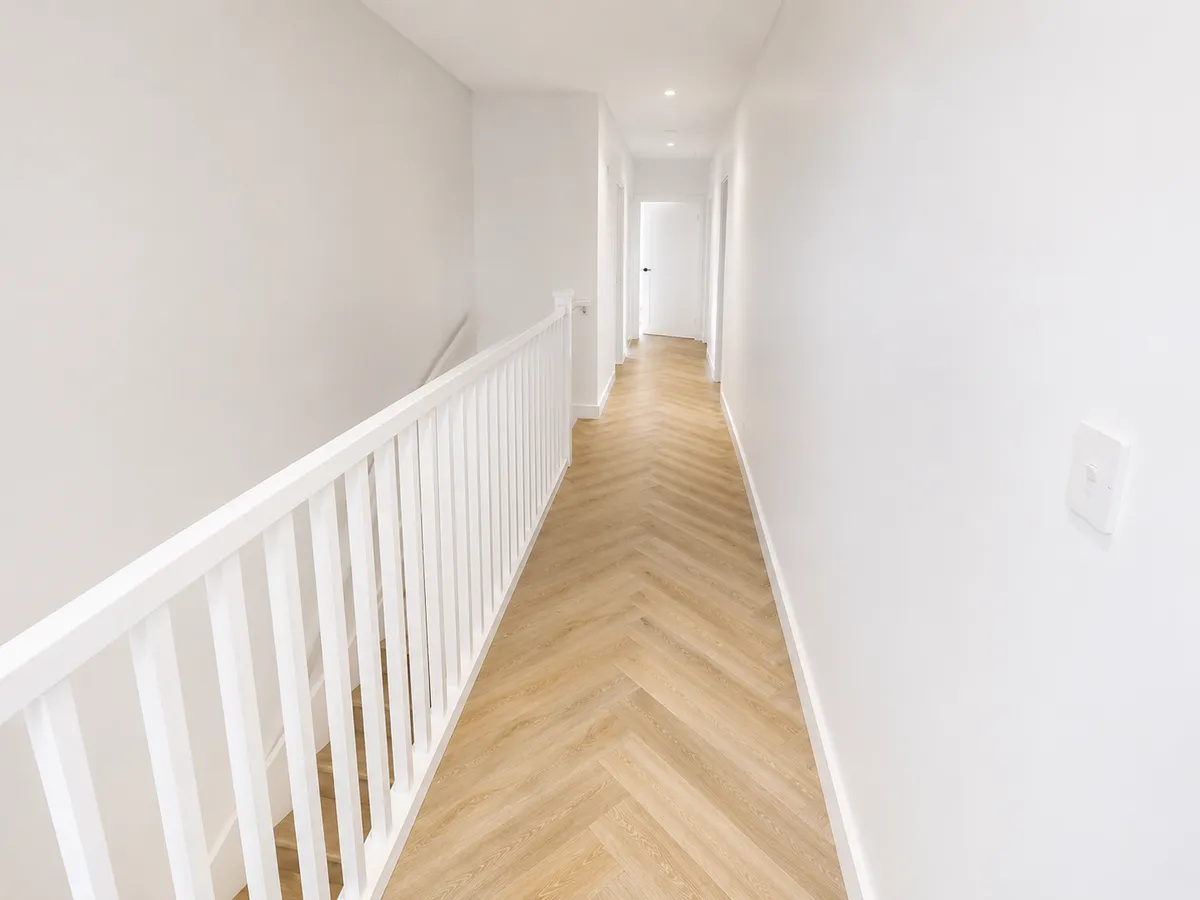
Hallways commonly show hand marks, scuffs and knocks.
Entryways can collect dirt from shoes, bags and outdoor gear.
Doors and door frames are touched constantly.
Skirting boards may be bumped by vacuums, furniture and toys.
Recognising these areas makes it easier to monitor them before the wear becomes widespread.
Wipe Marks Early
Small marks are usually easier to remove when they are fresh.
Fingerprints, scuffs and light dirt can often be cleaned using a soft cloth, warm water and mild detergent.
Avoid scrubbing aggressively.
Repeated harsh cleaning may dull or damage the finish, particularly on lower-sheen paints.
Regular gentle cleaning is usually better than waiting until the wall becomes heavily marked.
Watch Corners and Doorways
Corners and doorway edges tend to get bumped frequently.
Shopping bags, school bags, furniture and everyday movement can chip the paint or damage the plaster underneath.
A small chip is easier to repair than a larger damaged section.
Check these areas occasionally and deal with damage before it becomes more noticeable.
Keep Skirting Boards Clean
Skirting boards collect dust surprisingly quickly.
They may also show scuff marks from shoes, vacuum cleaners and furniture.
Regular dusting and gentle cleaning can help keep them looking fresher.
Because skirting boards are often painted in a more durable finish than walls, they can generally handle cleaning more easily, but harsh abrasives should still be avoided.
Touch Up Small Chips Carefully
If you have leftover paint from the original job, small touch-ups may be possible.
Make sure you are using the correct colour and finish.
A low-sheen wall paint will not blend properly with a semi-gloss finish, even if the colour is identical.
Keep in mind that existing paint can fade slightly over time, so a touch-up may still be visible.
If the repair stands out, repainting the full wall or section may create a more consistent finish.
Store Leftover Paint Properly
Keeping a small amount of the original paint can make future maintenance much easier.
Label the container with the colour, finish and room where it was used.
Seal it properly and store it away from extreme heat or cold.
Months later, this can save you trying to remember exactly which white or grey was used in a particular hallway.
Choose Durable Paint for Busy Spaces
When it is time to repaint, think about how the room is actually used.
A busy hallway has different needs from a quiet bedroom.
Washable, durable finishes can be a practical choice in high-traffic areas because they generally cope better with regular cleaning.
This does not mean every wall needs a high-gloss finish.
Modern interior paints offer different levels of durability across a range of sheen levels.
Protect Walls From Furniture
Repeated contact between furniture and walls can create marks or chips.
Chairs, tables and cabinets positioned very close to a wall may rub against the painted surface.
Leaving a small gap where practical can reduce damage.
Furniture pads or stops can also help in certain areas.
Pay Attention to Children’s Areas
Children’s bedrooms, playrooms and family areas tend to show more marks than quieter rooms.
This is normal.
Choosing a finish designed for cleaning can make maintenance easier.
It can also be worth keeping a labelled container of leftover paint for small repairs.
The goal is not to keep every wall perfect at all times, but to make everyday wear easier to manage.
Look After Doors and Trims
Doors and trims are frequently touched and can quickly lose their freshly painted appearance.
Handles and surrounding areas often collect grime.
Gentle cleaning can make a noticeable difference.
If paint begins chipping around door edges or frames, deal with the damage early rather than waiting for larger pieces to come away.
Use Mats and Simple Protection Where It Helps
Sometimes the easiest way to protect paint is to reduce the dirt and impact reaching it in the first place.
Entry mats can reduce the amount of dirt carried through doorways, while keeping bags, prams or sports equipment in a designated area can limit repeated knocks against the same wall.
Small practical changes can make high-traffic areas easier to maintain without making the home feel overly precious.
Do Not Ignore Repeated Damage
If the same area keeps peeling, cracking or bubbling, the problem may be more than normal wear.
Moisture, poor adhesion or an underlying surface issue could be involved.
Repeatedly touching up the same problem without identifying the cause is unlikely to provide a lasting solution.
Repaint Before Everything Looks Worn
You do not necessarily need to wait until a room looks heavily damaged before repainting.
Refreshing high-traffic areas while the rest of the home is still in good condition can maintain a cleaner overall appearance.
Sometimes painting a hallway, entry or doors is enough to make the whole home feel fresher.
A Little Maintenance Goes a Long Way
High-traffic areas will always show wear sooner than quieter spaces.
That does not mean they need constant repainting.
Gentle cleaning, small repairs, correctly stored touch-up paint and choosing suitable finishes can all help painted surfaces stay looking good for longer.
And when marks and wear become too widespread for touch-ups, a professional repaint can give those busy areas a fresh start.
